
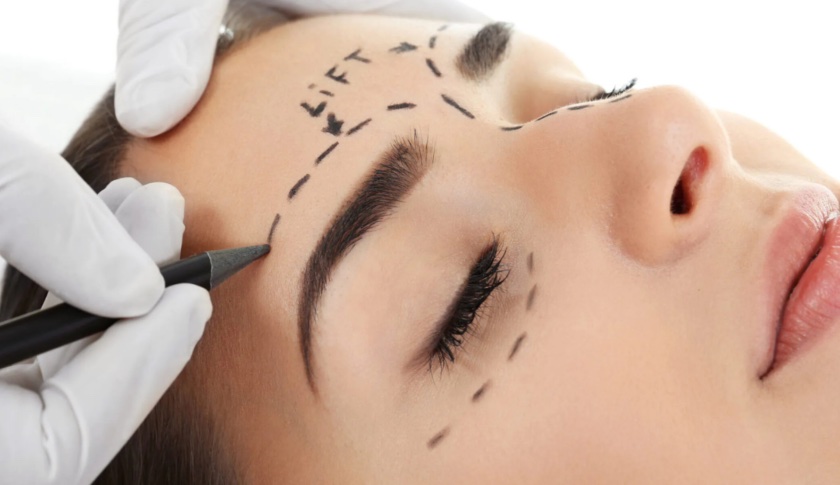
Treatment
Brow Lift (Forehead Lift)
A brow lift is a surgical procedure that aims to correct sagging, wrinkles and a low brow position in the forehead and eyebrow area. In medical terms, it is known as a brow lift or forehead lift.
During surgery, the skin and soft tissues of the forehead are repositioned. The goal is to bring the eyebrows to a more balanced level, soften a frowning or tired expression, and give the upper face a more harmonious appearance.
What Concerns Does a Brow Lift Treat?
Brow lift surgery may be considered to correct a variety of age-related changes in the forehead and around the upper eyes:
- Drooping eyebrows.
- A heavy look of the upper eyelids caused by brow descent.
- Horizontal forehead wrinkles.
- Vertical frown lines between the eyebrows.
- Noticeable drooping at the outer ends of the brows.
- A facial expression that looks tired, sad or angry.
- An unbalanced appearance around the brows and eyes.
With aging, the skin and soft tissues may lose elasticity. As the eyebrows descend, the distance between the eyelids and the brows narrows, which can create heaviness around the upper eyes.
Who Is a Good Candidate for a Brow Lift?
Brow lift surgery may be considered for people whose overall health is suitable for surgery and who do not smoke or are willing to quit before the operation. It is important for candidates to have realistic expectations about the results.
A brow lift may be an option in the following situations:
- Brow descent creating heaviness on the upper eyelid.
- Prominent wrinkles on the forehead and around the brows.
- The outer ends of the brows pointing downward.
- A tired or frowning expression even at rest.
- Upper eyelid surgery alone is not expected to be sufficient.
Before surgery, the eye area, forehead skin, natural position of the brows and facial movements are all evaluated together.
The Difference Between a Brow Lift and Eyelid Surgery
A brow lift focuses on the position of the eyebrows and forehead tissues. Eyelid surgery addresses excess skin, fat and laxity in the upper or lower eyelids.
If excess tissue on the upper eyelid is caused by brow descent, removing skin from the eyelid alone may not achieve the desired look. In some patients, a brow lift and upper blepharoplasty may be planned together.
Which procedure is needed is determined during the examination by distinguishing between brow position and excess skin on the upper eyelid.
What Are the Brow Lift Techniques?
Endoscopic Brow Lift
In the endoscopic technique, a few small incisions are made behind the hairline. A camera and specialized surgical instruments are advanced through these incisions to visualize the forehead tissues and move them to the planned position.
The incisions may be smaller; however, the endoscopic method may not be suitable for every face and hair type. The degree of brow descent and the condition of the forehead tissues are decisive in choosing the technique.
Classic or Coronal Brow Lift
In the coronal technique, a longer incision is made within the scalp, running across the top of the head. The forehead tissues are lifted and repositioned under direct vision.
This method may be considered for some patients who require more extensive correction. The decision is made taking into account the hairline, hair density and tendency toward scarring.
Hairline Incision Brow Lift
An incision along the hairline may be considered for some people with a high forehead or a receding hairline. This technique may also aim to reduce the height of the forehead.
Because the incision is located at the hairline, the appearance of the scar is closely related to hair characteristics and the individual's healing tendencies.
Temporal Brow Lift
A temporal, or limited, brow lift is a technique that specifically targets the outer ends of the eyebrows. It can be performed through small incisions in the temple area. It may be considered for suitable candidates whose drooping is limited to the outer part of the brow.
How Is Brow Lift Surgery Performed?
Depending on the technique used and the patient's health, the operation may be performed under sedation or general anesthesia. The surgeon evaluates the tissues of the forehead and brow area and determines the incision sites.
The forehead skin and underlying soft tissues are lifted, the muscle structures are addressed as needed, and the brows are secured at the planned level. Any excess skin may be removed. The incisions are closed with sutures, clips, skin adhesive or similar methods.
Every effort is made to balance the height and shape of both brows as closely as possible. However, because the face is naturally never perfectly symmetrical, absolute symmetry cannot be guaranteed.
Preparing for a Brow Lift
The preoperative assessment covers your overall health, current medications, previous surgeries and any concerns related to the eye area. Necessary blood tests and medical checks may be scheduled.
Because smoking can impair wound healing, you may be asked to quit. Since aspirin, certain painkillers and herbal supplements can increase the risk of bleeding and bruising, any medication adjustments should be made under your doctor's guidance.
Transportation home after surgery and someone to support you on the first night should also be arranged in advance.
Recovery After a Brow Lift
-
The First Few Days
In the first few days, swelling, bruising, tightness or numbness may occur around the forehead and eyes. A bandage or tape may be applied to the forehead. In some patients, a temporary drain may be used to reduce fluid buildup.
Keeping the head elevated can help reduce swelling. Strenuous physical activity should be avoided, and no direct pressure should be applied to the surgical area. Ice or heat should only be applied as recommended by your surgeon.
-
Returning to Work and Daily Life
Initial wound healing may take approximately 10–14 days. The timing of your return to work and social life may vary depending on the technique used and any additional procedures performed.
Swelling may take longer to fully subside and incision scars longer to mature. You should wait for your surgeon's approval before resuming intense exercise, heavy lifting and movements that may strain the forehead muscles.
Does a Brow Lift Leave Scars?
Because brow lift surgery involves incisions, scarring does occur. With the endoscopic technique, scars are usually small and located within the scalp. With the coronal technique, the scar within the scalp may be longer. With the hairline technique, the scar is located close to the hairline.
The appearance of scars varies depending on skin type, hair density, the technique used and wound healing. They are expected to soften and become less noticeable over time; however, complete disappearance cannot be guaranteed.
What Are the Risks of Brow Lift Surgery?
Possible risks of brow lift surgery include:
- Bleeding and infection.
- Brow asymmetry.
- Numbness of the forehead or scalp.
- Dry or irritated eyes.
- Elevation of the hairline.
- Temporary or permanent hair loss around the incision.
- Delayed wound healing.
- Prolonged itching or changes in sensation.
- Weakness of movement due to facial nerve injury.
- Noticeable scarring.
- Pain and swelling.
- Anesthesia-related complications.
- A result different from what was expected or the need for revision.
Risks may vary depending on the patient's health and the technique used. Individual risks should be thoroughly evaluated before surgery.
Are Brow Lift Results Permanent?
Changes in brow position and forehead appearance may be noticeable early after a brow lift. As swelling subsides, the results become more natural and defined. It may take several months for the final appearance to settle.
Surgery does not stop the aging process. Over time, the skin may lose elasticity and loosen again. Sun protection and healthy lifestyle habits can help maintain the results for longer.
Frequently Asked Questions
Does a brow lift make the eyes look bigger?
The surgery does not change the size of the eyeball. When upper eyelid heaviness caused by brow descent is reduced, the eye area may look more open and rested.
Are a brow lift and a forehead lift the same procedure?
A brow lift and a forehead lift generally refer to the same procedure. Both terms are used to describe the surgical repositioning of the forehead tissues and eyebrows.
Can a brow lift and eyelid surgery be performed at the same time?
In suitable patients, a brow lift and blepharoplasty can be planned in the same session. Which procedure is needed is determined by assessing brow descent and excess eyelid skin together.
How long does brow lift surgery take?
The length of the operation depends on the technique used and whether the brow lift is performed alone or combined with additional procedures such as eyelid surgery. A personalized estimate can be provided after your examination.
Brow Lift Cost
The cost of a brow lift varies depending on the technique used, the choice between an endoscopic or classic approach, anesthesia and any additional procedures.
The pricing assessment also considers whether procedures such as eyelid surgery, a facelift or skin resurfacing will be performed in the same session. When requesting a quote, you should clarify whether anesthesia, hospital services, tests and postoperative follow-up visits are included.
Personalized Brow Lift Consultation
You can book a consultation for drooping brows, forehead wrinkles or heaviness around the upper eyes. During the consultation, the natural position of your brows, forehead structure, eyelids and facial proportions are evaluated together to determine the most suitable technique for you.
Book AppointmentThis content is for general informational purposes only. Suitability for surgery, choice of technique and the recovery plan are determined through an examination by a specialist physician.