
Treatment
BBL (Brazilian Butt Lift)
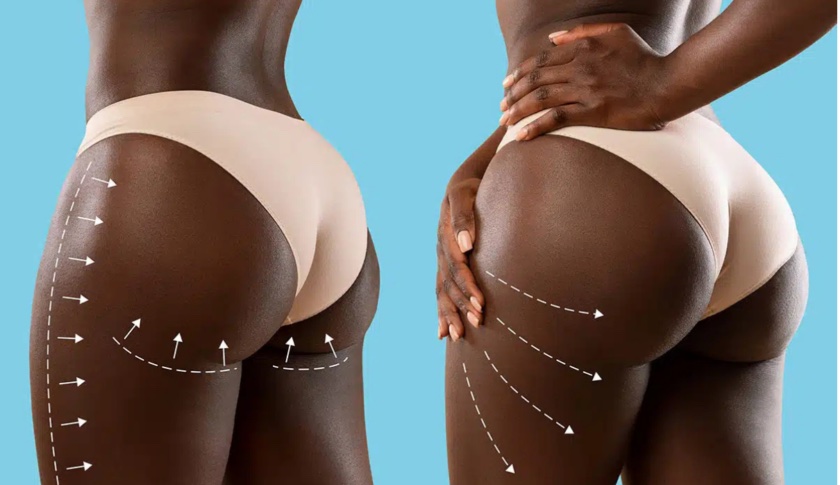
A BBL is a surgical procedure that aims to add volume and shape to the buttocks by transferring fat taken from the person’s own body. BBL is the abbreviation of “Brazilian Butt Lift,” and the procedure is also referred to as Brazilian buttock augmentation or Brazilian buttock contouring.
During the procedure, fat is harvested from suitable areas with liposuction, and the processed fat is used to shape the buttocks. This makes it possible to evaluate the proportions between the treated donor areas and the buttocks together.
What Is a BBL?
A BBL is a body contouring operation that uses fat transfer to change the volume and contour of the buttocks. The intended change is determined by the existing buttock structure, skin characteristics and the amount of fat available for transfer.
Although its name includes the word “lift,” a BBL is not a lifting operation in which excess skin is removed. For people with significant sagging or excess skin, fat transfer alone may not be sufficient.
What Changes Does a BBL Aim to Achieve?
Based on a personalized assessment, the following goals may be addressed in BBL surgery:
- Adding volume to the buttocks.
- Creating a more defined buttock contour.
- Refining the transition between the waist and hips.
- Reducing volume differences in suitable areas.
- Shaping the donor areas and buttocks together.
The change that can be achieved is limited by the person’s anatomical features. Perfect symmetry, an appearance identical to a particular photograph or reaching any desired volume in a single session cannot be guaranteed.
Who Is a Good Candidate for BBL Surgery?
A BBL may be considered for people whose physical development is complete, whose general health is suitable for surgery and who have realistic expectations about the results. For fat transfer to be possible, there must be a sufficient amount of harvestable fat in other areas of the body.
During the examination, the current shape of the buttocks, skin elasticity, fat distribution and the desired volume are evaluated together. Very limited fat tissue or significant skin sagging may affect whether the procedure is suitable.
The decision to have surgery should be the person’s own. It is important that expectations are consistent with the limits of the procedure and the requirements of the recovery period.
What Is the Difference Between a BBL and a Buttock Lift?
A BBL focuses on adding volume and shape through fat transfer. A buttock lift, on the other hand, aims to tighten sagging tissues by removing excess skin.
A lifting operation may be considered particularly for excess skin that develops after significant weight loss. The appropriate approach is determined by assessing volume loss and sagging separately.
Preparing for BBL Surgery
Before surgery, your medical history, medications, previous operations and existing conditions are reviewed. The planned donor areas and the buttocks are examined.
Required tests and the anesthesia assessment are tailored to each individual. Smoking and nicotine use should be addressed during preparation because of their effects on wound healing.
All products you use, including blood thinners, vitamins and herbal supplements, should be disclosed to the physician. Medications should not be stopped or changed without the advice of the relevant physicians.
Transportation, a companion and help at home after surgery should be arranged in advance.
How Is BBL Surgery Performed?
A BBL is a surgical procedure that combines liposuction and fat transfer. The anesthesia method and the scope of the surgery are determined based on individual assessment.
-
Harvesting the Fat
Fat is harvested with liposuction from suitable areas such as the abdomen, waist, back or thighs. Which areas are used depends on the existing fat distribution and the body contouring plan.
-
Preparing the Fat
The harvested fat is processed to make it suitable for transfer. Not all of the tissue collected translates into the same amount of usable fat.
-
Transferring the Fat
The prepared fat is transferred to the planned areas of the buttocks. The amount to be transferred is limited by tissue characteristics and safety considerations.
Safety recommendations emphasize placing fat in the subcutaneous layer above the fascia that covers the muscle, not into or beneath the muscle. Real-time ultrasound helps visualize the layer in which the cannula tip is located during transfer.
Why Is Safety So Important in BBL Surgery?
A BBL is a surgical procedure with its own specific serious risks. In particular, fat entering the bloodstream and causing a blockage in the lungs can lead to life-threatening fat embolism.
International plastic surgery organizations support using only the subcutaneous layer when transferring fat to the buttocks and using real-time ultrasound guidance during injection. These measures are intended to reduce risk; they do not make the procedure completely risk-free.
Before surgery, the surgeon’s experience with this procedure, the use of ultrasound, the healthcare facility where the surgery will take place and the follow-up plan in case of complications should be discussed.
Recovery After a BBL
During recovery, both the liposuctioned areas and the fat-grafted areas require care. Swelling, bruising and tenderness may occur. Because of swelling, the volume in the first few days does not reflect the final appearance.
-
Sitting and Sleeping Positions
It is recommended to avoid prolonged direct pressure on the fat-grafted area. Sitting and sleeping positions in the first weeks should follow your surgeon’s instructions.
Where necessary, supports that shift pressure away from the grafted area while sitting may be used. Which support to use, how to use it and when to return to normal sitting are determined individually.
-
Compression Garment and Wound Care
A compression garment may be recommended for the liposuctioned areas. The garment size, pressure distribution and duration of use should be determined by the surgical team.
Instructions regarding dressings, showering, medication and drain care, if applicable, should be followed. Follow-up visits are important for evaluating healing and the tissues.
-
Returning to Work and Exercise
Returning to work depends on the nature of the job and how much sitting it requires. Jobs that involve prolonged sitting or physical effort may require additional adjustments.
Returning to exercise should be gradual. When to start strenuous activities is determined by the surgeon based on how recovery is progressing.
When Are BBL Results Visible?
A change in shape can be seen after surgery; however, swelling contributes to the initial appearance. Some of the transferred fat is absorbed by the body over time.
As swelling subsides and the tissues settle, the result can be evaluated more clearly within a few months. For some people, the final appearance may take up to a year to settle. For this reason, changes in volume during the early period should not, on their own, be interpreted as failure.
Are BBL Results Permanent?
Fat tissue that survives after transfer can remain for a long time. However, the appearance of the buttocks is affected by weight changes, aging and changes in the tissues over time.
Transferred fat can respond to weight gain and loss like other fat tissue in the body. For this reason, keeping your weight stable helps preserve the result. The same longevity or fat retention rate cannot be promised to everyone.
What Are the Risks of BBL Surgery?
A BBL carries the combined risks of liposuction and fat transfer. Potential complications include:
- Bleeding, infection and fluid accumulation.
- Loss of fat viability and the formation of firm areas.
- Asymmetry or contour irregularities.
- Wound healing problems and visible scarring.
- Changes in sensation and prolonged pain.
- Blood clot formation.
- Anesthesia-related complications.
- The need for additional surgery.
Fat embolism is one of the significant risks of a BBL and can be fatal. Using the person’s own fat does not eliminate this risk.
If sudden shortness of breath, chest pain or unusual palpitations develop after surgery, emergency medical help should be sought. Do not wait for a follow-up appointment if these symptoms occur.
What Determines the Cost of a BBL?
The cost of a BBL can vary depending on the areas to be treated with liposuction, the scope of the procedure, anesthesia, hospital conditions and the follow-up services required.
Pricing should be based on a personalized surgical plan. Whether tests, compression garments and post-operative follow-up visits are included in the service should be clarified in advance. Surgical conditions and follow-up provisions should also be taken into account when evaluating the price.
Frequently Asked Questions About BBL
Are silicone implants used in BBL surgery?
A BBL is based on transferring the person’s own fat tissue. Buttock augmentation with silicone implants is a different surgical method. The eligibility criteria and risks of the two procedures should be evaluated separately.
Can slim people have a BBL?
The procedure requires a sufficient amount of harvestable fat. In people with limited fat tissue, it may not be possible to achieve the desired volume. Suitability is not determined by body weight alone.
Does all of the transferred fat remain?
No. Some of the fat may be absorbed during recovery. How much remains varies depending on the individual and the healing process. If deemed necessary, an additional procedure is planned only after reassessing the condition of the tissues and safety.
Does a BBL leave scars?
Small scars may form at the entry points used for fat harvesting and transfer. These scars may become less noticeable over time; however, it cannot be guaranteed that they will disappear completely.
A Personalized Assessment for a BBL
When planning a BBL, body proportions, available fat tissue, skin characteristics and general health are evaluated together. In addition to the changes that can be achieved, the limits of the procedure, its serious risks and the requirements of the recovery period should be discussed during the examination.
Get in touch to ask your questions about BBL and to schedule an examination.
Book AppointmentThis content has been prepared for general informational purposes. Suitability for surgery, the treatment plan and results may vary from person to person.