
Treatment
Breast Augmentation
Breast augmentation is a surgical procedure performed to increase breast volume and shape the appearance of the breasts in line with the patient's expectations. It can be performed using silicone breast implants or, in suitable patients, the patient's own fat tissue.
Small breast volume, loss of fullness after pregnancy or weight loss, and a difference in volume between the two breasts are among the reasons breast augmentation may be considered. The surgical plan is created by evaluating the existing breast tissue together with the look the patient would like to achieve.
Who Is a Good Candidate for Breast Augmentation?
Breast augmentation may be considered for people whose breast development is complete and whose overall health is suitable for surgery. The main reasons patients seek the procedure include:
- Breast volume that is smaller than the patient would like.
- Volume loss after pregnancy or weight loss.
- Reduced fullness in the upper part of the breast.
- A difference in size between the two breasts.
- Differences in shape and volume related to breast development.
It is important that the decision to have surgery is the patient's own and that they have realistic expectations about the results. Cosmetic breast augmentation is not planned during pregnancy or while actively breastfeeding. Candidacy is determined through evaluation by a specialist in plastic, reconstructive and aesthetic surgery.
What Are the Breast Augmentation Methods?
Breast Augmentation With Silicone Implants
This method uses breast implants filled with silicone gel to increase breast volume. Implants come in a range of volumes, shapes and profiles. When choosing, the characteristics of the existing tissue are evaluated as well as the desired look.
Implant selection is not based on size alone. The implant's shape, surface texture and postoperative follow-up requirements are also part of the consultation.
Breast Augmentation With Fat Transfer
In breast augmentation with fat transfer, fat tissue is harvested from suitable areas of the body using liposuction, processed and then transferred to the breast. It may be considered for people who want a more modest increase in volume and have sufficient fat tissue.
Not all of the transferred fat may be permanent; some of it may be lost over time. Additional sessions may be needed to reach the desired volume. Fat transfer also has its own specific risks, such as cysts, infection, calcification and fat necrosis.
How Are Breast Implant Size and Shape Chosen?
Implant selection is made in light of the patient's body structure and expectations. During the examination, the existing breast volume, soft tissue coverage and the desired increase are evaluated. For this reason, simply referring to a particular implant volume or to someone else's result is not enough.
Round or Teardrop Implants?
Round and anatomical, or teardrop-shaped, implants have different shape characteristics. Round implants can provide more fullness in the upper part of the breast, while anatomical implants have more pronounced volume in the lower part.
However, generalizations such as “teardrop implants always look more natural” or “round implants suit everyone” cannot be made. The final appearance depends as much on the patient's tissues and the surgical plan as on the implant itself. With anatomical implants, rotation can lead to a change in breast shape. The implant's surface characteristics and the associated risks should also be evaluated separately.
Can Breast Augmentation and a Breast Lift Be Performed Together?
Breast augmentation aims to increase volume, while a breast lift aims to correct sagging and nipple position. If there is significant sagging, placing an implant alone may not be sufficient.
If volume loss is accompanied by excess skin and a downward shift of the nipple, augmentation and a lift may be considered together. Whether the procedures are performed in the same session or in separate stages is planned individually.
Preparing for Breast Augmentation Surgery
Before surgery, your medical history, medications and supplements, previous surgeries and smoking are evaluated. Necessary blood tests and an anesthesia assessment are planned.
You may need to quit smoking and adjust medications that can affect bleeding risk. Prescription medications should not be stopped without consulting the relevant physician. Arranging transportation home after surgery and having someone to support you on the first night should also be part of your preparation.
The need for breast imaging is determined through individual assessment. It is recommended that you read and keep the patient information documents for the implant to be used.
How Is Breast Augmentation Surgery Performed?
The operation is performed under anesthesia; the pocket where the implant will be placed is created through a predetermined incision. The incision may be planned in the breast crease, along the edge of the areola or, in suitable patients, in the armpit.
The implant can be placed behind the breast tissue or beneath the chest muscle. The placement is chosen based on the existing tissue, the implant's characteristics and the desired result. Once the implant is in place, the incisions are closed and dressings are applied.
Not every incision and placement technique is suitable for every patient. The surgical plan must be based on examination findings.
Recovery After Breast Augmentation
-
The First Few Days
Pain, tightness, tenderness and swelling may occur after surgery. While pain is expected to ease in the first few days, tenderness and swelling may last for several weeks. Medications prescribed by your doctor and care instructions should be followed.
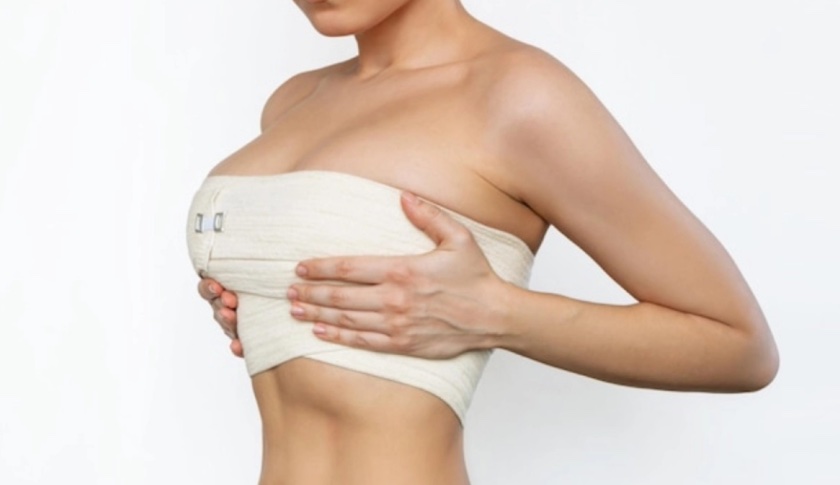
A supportive bra or band may be recommended. How long to wear them, as well as the dressing and follow-up schedule, are determined individually.
-
Returning to Daily Life and Exercise
Returning to work and daily activities depends on the physical demands of your job, the scope of the surgery and how you are healing. You should wait for your surgeon's approval before heavy lifting and strenuous exercise.
Feeling well early on does not mean the tissues have fully healed. Activity levels are increased gradually based on follow-up examinations.
Does Breast Augmentation Leave Scars?
Breast augmentation with implants leaves an incision scar. Scars may become less noticeable over time; however, it cannot be guaranteed that they will disappear completely.
The appearance of a scar is affected not only by the incision site but also by individual healing characteristics, nicotine use and any problems that may arise during wound healing. Scar care should follow your doctor's recommendations.
What Are the Risks of Breast Augmentation Surgery?
Possible risks of breast implant surgery include bleeding, infection, changes in sensation, asymmetry, implant displacement, rippling and implant rupture.
Hardening of the capsule that forms around the implant, causing pain or a change in breast shape, is called capsular contracture. Some problems may require the implant to be removed or replaced, or additional surgery to be performed.
A rare lymphoma known as BIA-ALCL, which has been associated more often with textured implants, should also be covered during the informed consent discussion. In addition, some patients report systemic symptoms such as fatigue and joint pain; the relationship between these symptoms and implants is being investigated.
Do Breast Implants Last a Lifetime?
Breast implants are not devices guaranteed to last a lifetime. Complications can develop over time, and the implant may need to be replaced or removed. There is no single replacement date that applies to every patient; the decision is based on symptoms, examination and imaging findings.
Some ruptures of silicone implants may cause no symptoms. For people without symptoms, the FDA recommends a first ultrasound or MRI check 5–6 years after surgery, followed by one every 2–3 years. Your personal follow-up plan is arranged by your doctor; if new swelling, pain, firmness or a change in shape occurs, you should not wait for your routine check-up date.
Frequently Asked Questions
Can I breastfeed after breast augmentation?
Many people are able to breastfeed after surgery; however, it cannot be guaranteed that breastfeeding capacity will not be affected. If you plan to become pregnant and breastfeed in the future, you should share this before surgery.
Do breast implants interfere with mammography?
Having implants does not prevent you from having a mammogram; however, additional views may be required. You should mention that you have implants when booking and before the scan. Checks that assess implant integrity do not replace breast cancer screening.
Can fat transfer replace implants?
It does not meet the same need in every patient. Fat transfer is generally considered for a more modest increase in volume. The desired size and the available fat tissue are key factors in choosing the method.
Breast Augmentation Pricing
To determine the price of breast augmentation, the method to be used and the scope of the procedure must first be defined. Implant selection, the fat transfer plan, the need for an additional lift and hospital arrangements are considered when assessing the cost.
When requesting personalized pricing, you should clarify whether the implants, anesthesia, hospital services, tests and postoperative follow-ups are included.
Personalized Breast Augmentation Consultation
You can book a consultation to learn more about your breast augmentation options. During the consultation, your current breast structure, the volume you would like to achieve, the available methods and long-term follow-up requirements can be evaluated together to determine the surgical plan that suits you best.
Book AppointmentThis content is for general informational purposes only. Suitability for surgery, choice of technique and the follow-up plan are determined through evaluation by a specialist physician.